

Jean-André Mongez, an Enlightenment Scholar Aboard the Lapérouse Expedition
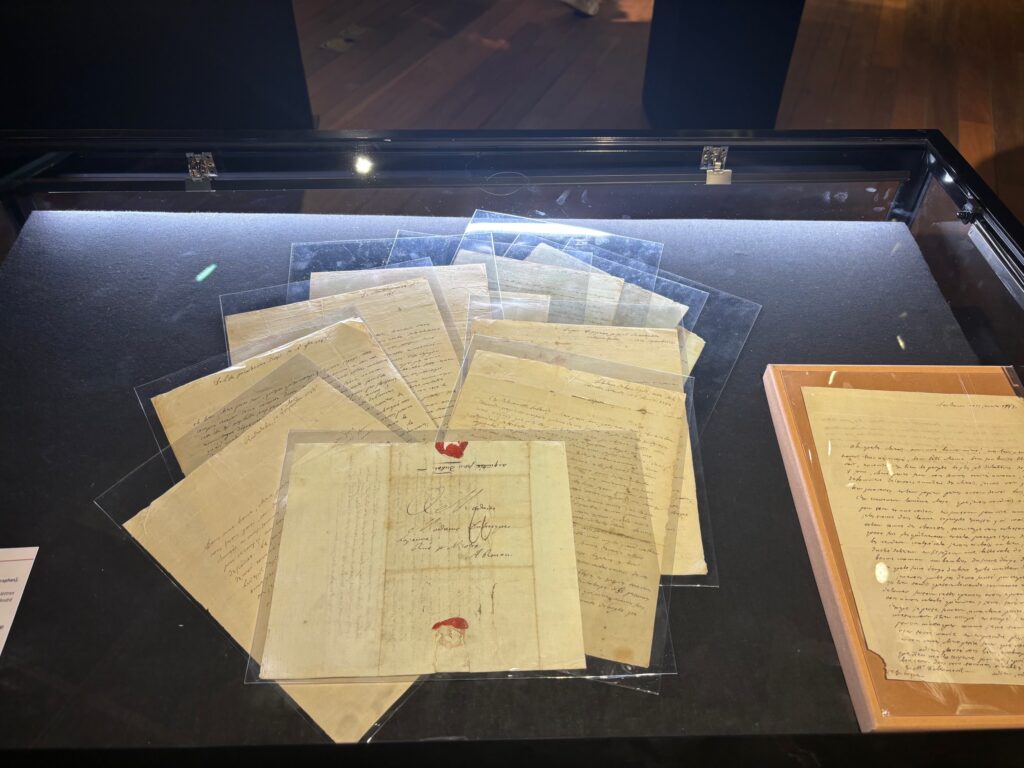
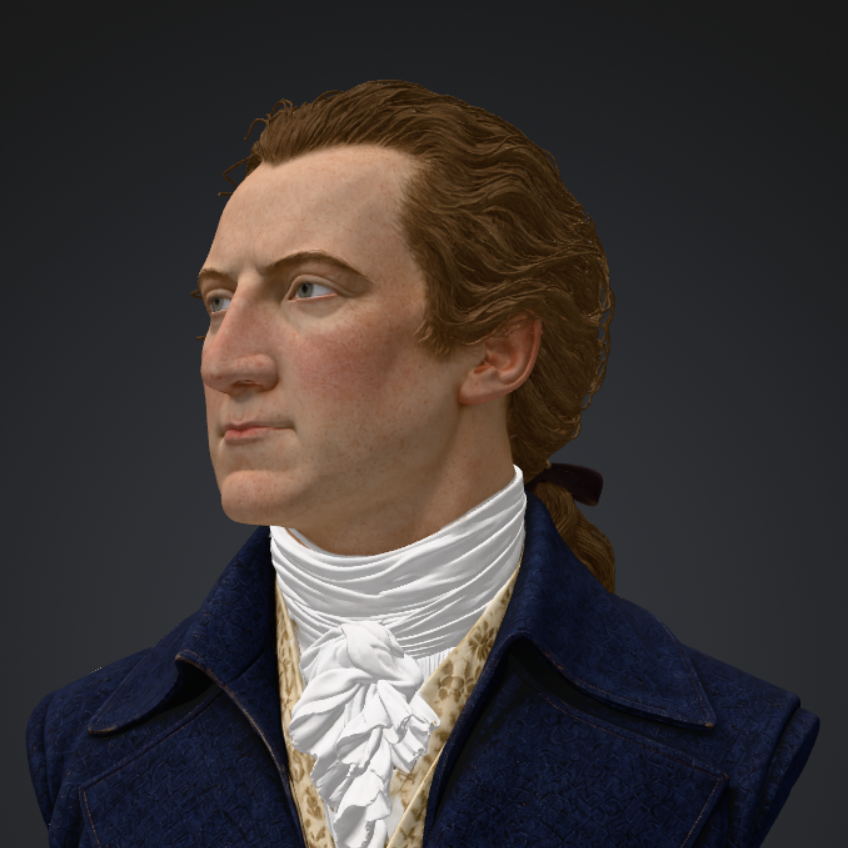
Physicist, mineralogist and canon, Jean-André Mongez (1750–1788) was among the scholars who accompanied the expedition led by Jean-François de Galaup, Comte de Lapérouse. Embarking aboard La Boussole in August 1785, he took part in this scientific and maritime venture, which was intended to take two French frigates on a voyage around the world. Although the scientific work and observations of the expedition members are now known through surviving historical documents, Mongez’s personal correspondence had remained particularly rare. A few autograph letters were already known, but they offered only a limited insight into his personality, his private concerns and the feelings that accompanied him throughout his voyage. The twelve recently rediscovered letters, presented for auction by the Daguerre auction house, shed new light on this intriguing figure. Addressed to Louise Victoire Le Cloustier, they provide an exceptional insight into the personal life, emotions and state of mind of a scholar who embarked on one of the greatest maritime expeditions of the eighteenth century.

Twelve Previously Unpublished Letters Shed Light on Three Years of the Voyage
The collection presented by the Daguerre auction house comprises twelve autograph letters written by Jean-André Mongez, discovered in the archives of a French family. Their discovery is particularly remarkable: five letters date from the period before his departure, between 1781 and 1784, while the other seven were written during the expedition itself. These letters make it possible to trace Mongez’s journey through several stages of the voyage: Brest, where he wrote notably on the eve of departure; Sainte-Catherine Bay in Brazil; Monterey, California; Macao; Kamchatka; and finally Botany Bay, Australia, on February 5, 1788. This final letter is one of the latest surviving accounts in the recovered correspondence, written just a few months before the two frigates disappeared at Vanikoro.
Photograph: Philippe Culas, 2026.
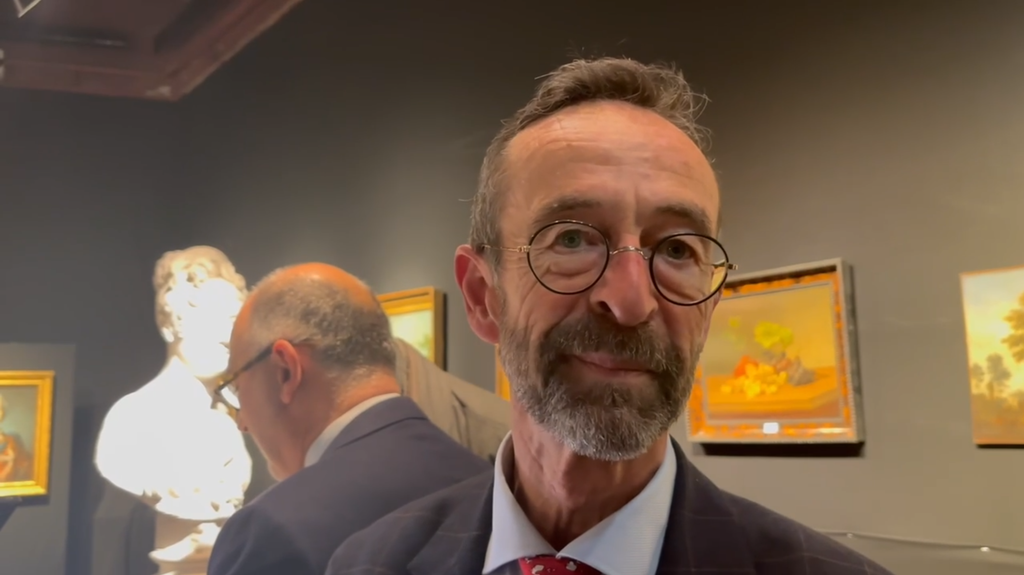
Asked about the significance of this discovery, Ludovic Miran, a specialist in books and manuscripts involved in the auction, told us:
“This is an extraordinary discovery, as we have a collection of twelve letters written by this scholar, Mongez, seven of which date from Lapérouse’s expedition and trace its various stages: Brest, Brazil, Macao, California, Kamchatka and, finally, Botany Bay in Australia.”
Beyond their historical significance, these documents offer a rare opportunity to trace the journey of an expedition member through his own correspondence. They are more than a mere succession of dates and places: they provide insight into the impressions, concerns and reflections of a man facing a maritime adventure whose outcome he could not possibly have foreseen.
An Intimate Correspondence: Louise Victoire Le Cloustier, the Recipient of These Letters
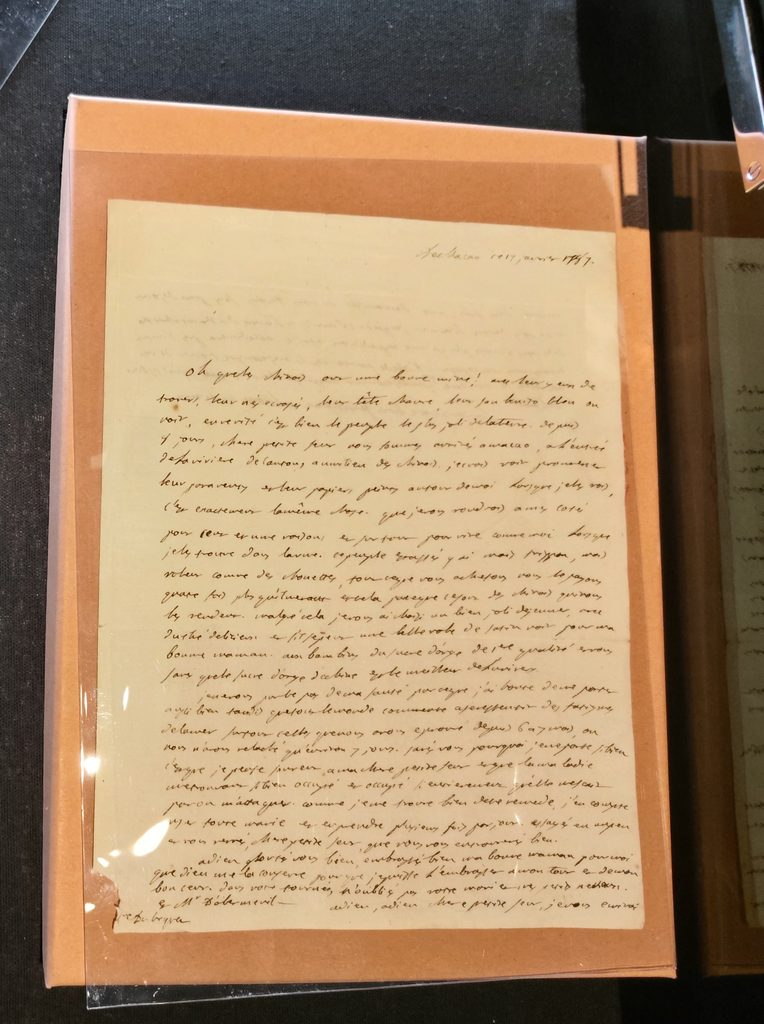
The twelve letters are all addressed to one and the same recipient: Louise Victoire Le Cloustier, a young woman from the Norman aristocracy who lived in Rouen. Mongez affectionately calls her “my dear little sister”, while referring to himself as her “dear little brother”. During our interview, Ludovic Miran explained that the two shared a friendship, perhaps something a little more intimate. Several passages indeed suggest a particular emotional closeness, especially when Mongez mentions Louise Victoire’s marriage, the reproaches she may have made to him, and his own regrets. Although it is impossible to determine the exact nature of their relationship, this correspondence reveals just how much the young woman occupied his thoughts. Even before embarking, and then at every stage of the voyage, he writes to her about his family, his return and the prospect of seeing her again. Mongez even mentions specific dates and repeatedly promises that he will return. The desire to be reunited with those dear to him seems to have been a powerful source of emotional strength, helping him endure the hardships of this long voyage.
An Exceptional Account of Life on Board
The significance of these letters extends far beyond their personal dimension. They also constitute a valuable source for better understanding the living conditions of the men who took part in the Lapérouse expedition. Scientific documents and official accounts make it possible to trace the discoveries, observations and major stages of the voyage (see our article on Barthélémy de Lesseps, Lapérouse’s Messenger). But Mongez’s letters offer a different perspective: that of a man writing to someone close to him, without any intention of producing an account for the authorities or posterity.
“We have an exceptional firsthand account from a scholar who was part of the expedition, allowing us to imagine the living conditions on board and how he managed to endure such an extraordinary undertaking.”
Through his writings, we catch glimpses of the hardships of the voyage, the sometimes gruelling conditions of navigation, the events that marked each port of call, and the challenges faced by the members of the expedition. Mongez also refers to his health on several occasions, which he considers to be good, as well as to the tragic events that gradually cast a shadow over the voyage. The Daguerre auction house catalogue also highlights the distinctive tone of this correspondence: despite the circumstances, Mongez maintains a certain light-heartedness, sometimes even displaying a touch of humour. He seems more concerned with reassuring his correspondent than with sharing all the hardships he encounters. These letters offer us fresh insight into what life on board was really like.
An Exceptional Discovery, Long Hidden from View
The story behind this correspondence is also remarkable because of the circumstances of its discovery. The letters are believed to have been carefully preserved for more than two centuries before resurfacing in a 19th-century book of engravings, examined by auctioneer Benoît Derouineau in preparation for a sale.
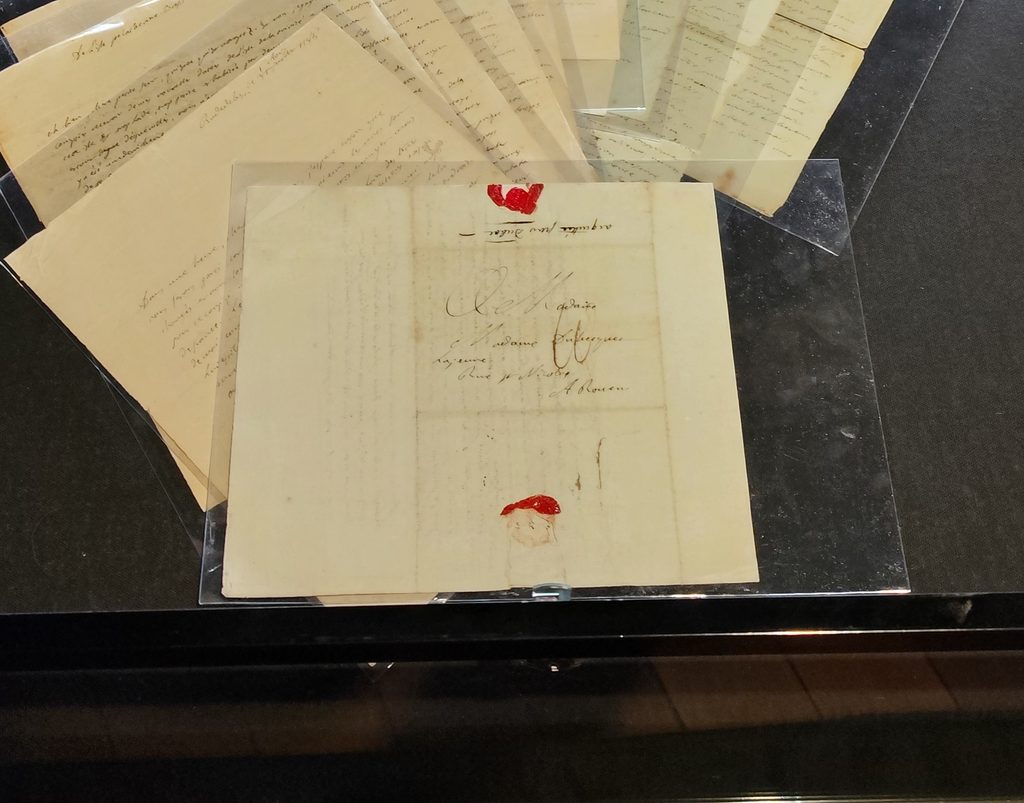
The fact that these letters had been concealed among the pages explains why they had escaped historical research until now. For Ludovic Miran, this discovery represents a significant contribution to our understanding of the expedition. Personal documents of this kind are extremely rare: most surviving sources relating to Lapérouse’s companions are primarily administrative, scientific or concerned with the events of the voyage. The Daguerre auction house catalogue also emphasises the rarity of these autograph letters. It notes that only around ten letters written by Mongez are recorded in French public collections, giving this group of documents particular historical and heritage significance. Another question raised by this correspondence concerns Mongez’s ultimate fate. The catalogue puts forward the possibility that he may be identified as the individual whom archaeological excavations have designated as the “Unknown Man of Vanikoro”. The letters refer several times to his good health, a detail that could lend support to this hypothesis, particularly in light of the remarkable condition of the recovered skull, although it is not sufficient to confirm the theory. See our article: The Mysterious Skeleton of Vanikoro.
The ALAF at the Drouot Auction
The following day, Tuesday, November 17, we also attended the auction organised by Daguerre, once again held in Room 4 of the Hôtel Drouot.
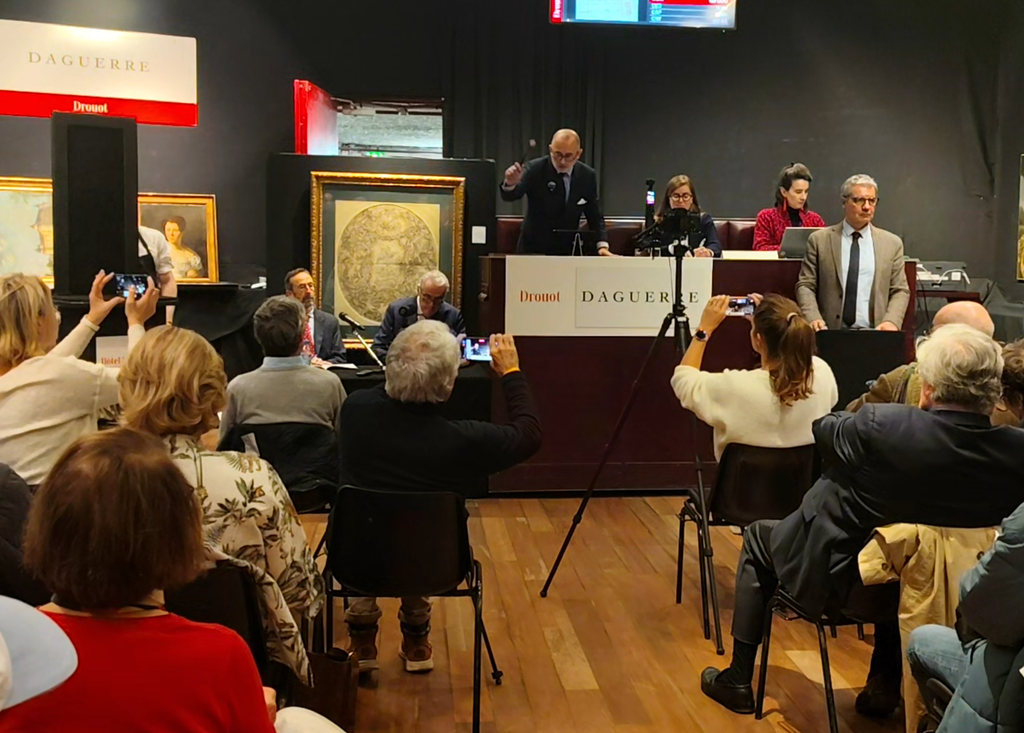
The collection, initially estimated at between €30,000 and €50,000, ultimately achieved a hammer price of €68,000 (€88,400 including fees). This sale demonstrates the considerable interest these exceptional documents attracted, both among collectors of historical manuscripts and enthusiasts of maritime history.
New Accounts That Help Keep the Memory of the Lapérouse Expedition Alive
For the Lapérouse Albi-France Association, this discovery represents far more than an event in the world of antique manuscripts. It is a valuable opportunity to deepen our understanding of the expedition and shed new light on the journeys and experiences of its members.
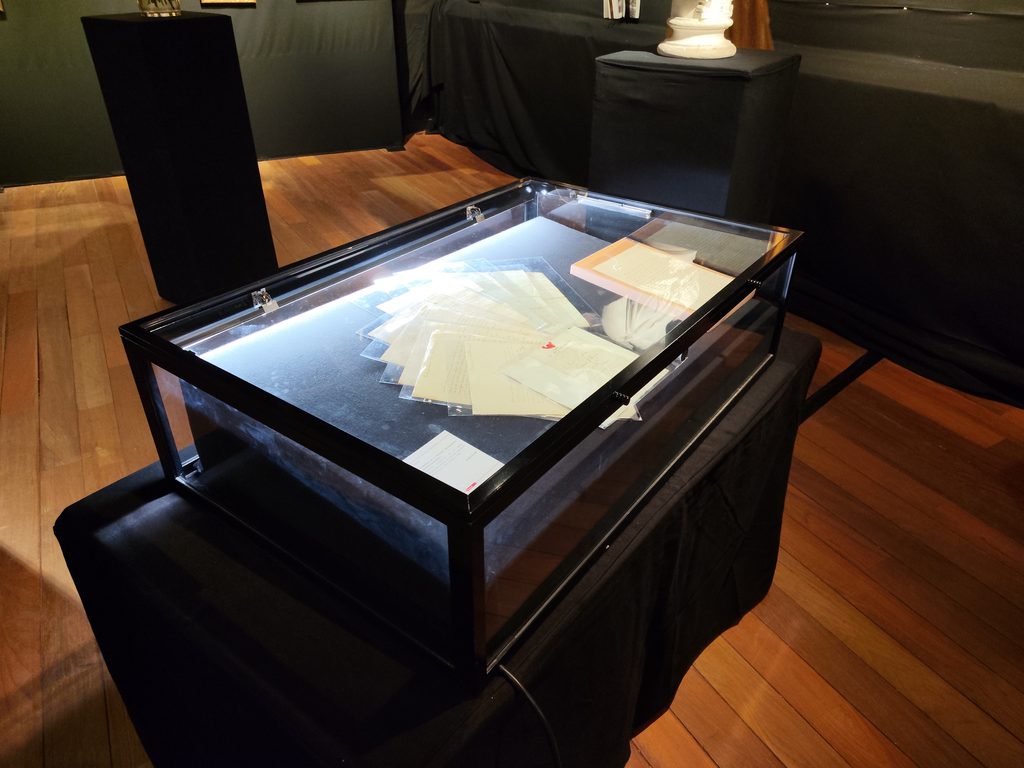
Photograph: Nicolas Gosset, 2026.
The story of Lapérouse is not limited to that of its commander or to the mysterious disappearance of the two frigates. It is also the story of individual lives: scholars, officers, sailors and naturalists who took part in this extraordinary adventure. The letters of Jean-André Mongez remind us that behind great scientific and maritime undertakings are real people, with their convictions, anxieties, personal attachments and hopes. Discovering these documents at Drouot gave us the feeling of reconnecting with one of Lapérouse’s companions in a particularly moving way. More than two centuries after they were written, his words continue to speak to us and keep the memory of this expedition alive.
Watch our interview with Ludovic Miran in the video below.
Article written by members of the ALAF Board of Directors.
Lapérouse: The Adventure Continues…