

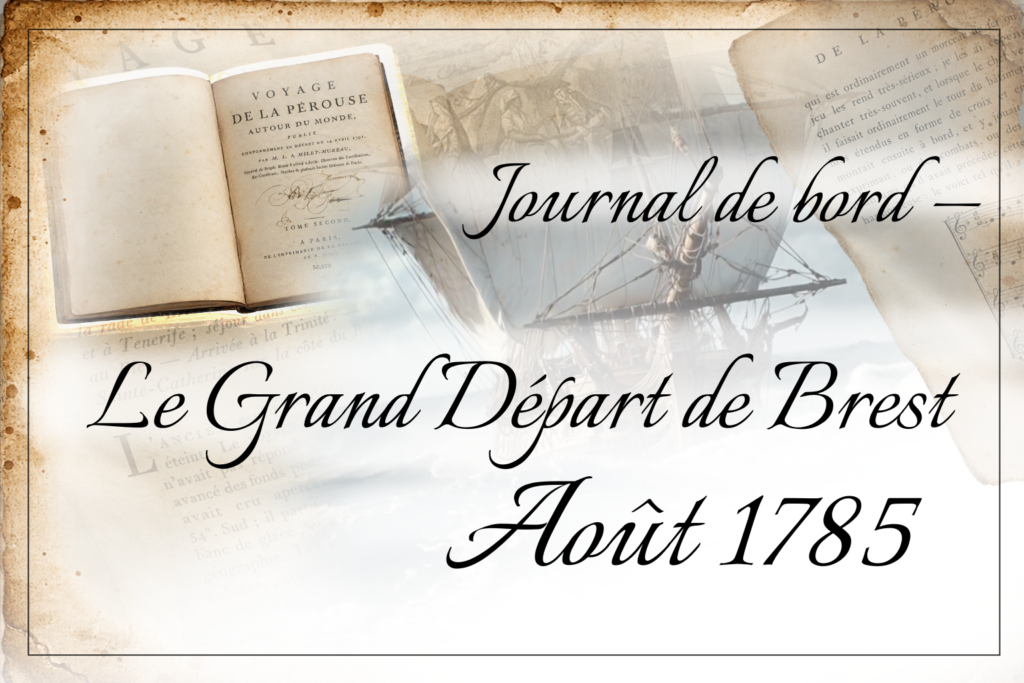
Step aboard the crowded decks of La Boussole and L’Astrolabe. In August 1785, you are on board, facing the vast expanse of the ocean.
1. The Origins of the Expedition and the Legacy of Cook

La Pérouse’s expedition was part of the great age of maritime exploration in the eighteenth century. Under the reign of Louis XVI, France sought to advance geographical knowledge and scientific discovery, building in particular on the legacy of James Cook’s voyages. La Pérouse’s account recalls an especially revealing episode that illustrates the importance attached to scientific discovery. During the hostilities against England in 1778, French vessels had been ordered to allow Cook’s ships, Discovery and Resolution, to pass freely and to provide them with any assistance they might need.
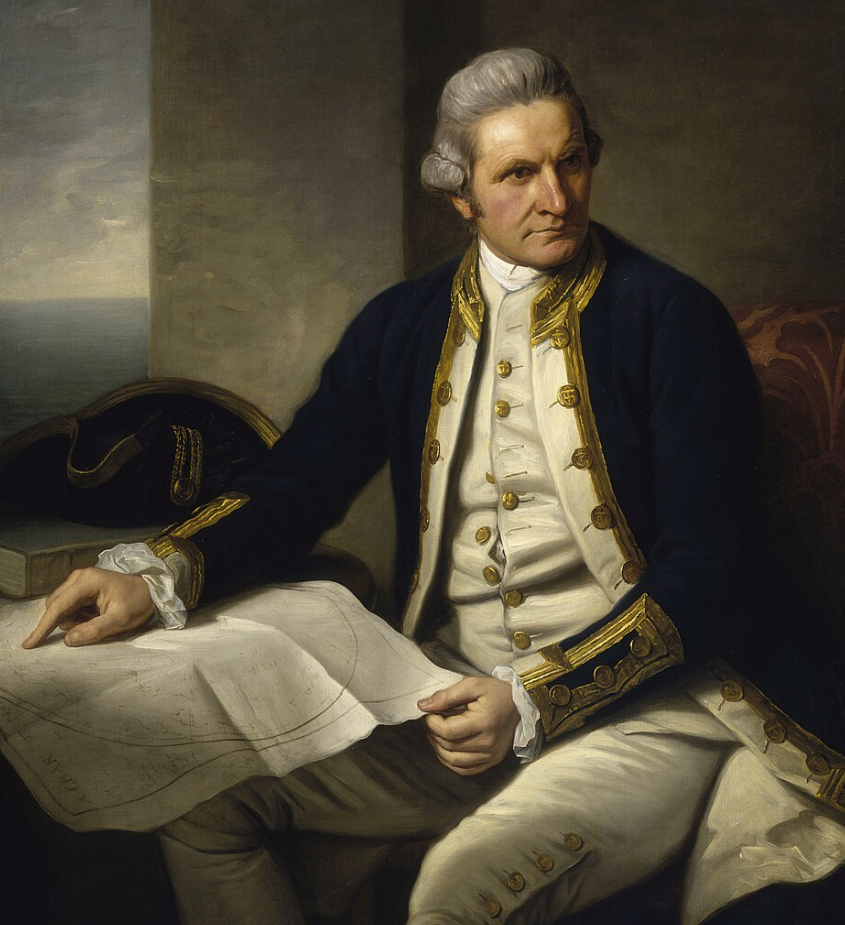
This esteem for Cook’s work is also reflected in the preparations for the voyage. Thanks to the intervention of Sir Joseph Banks, La Pérouse received dip-circle compasses that had belonged to Cook.
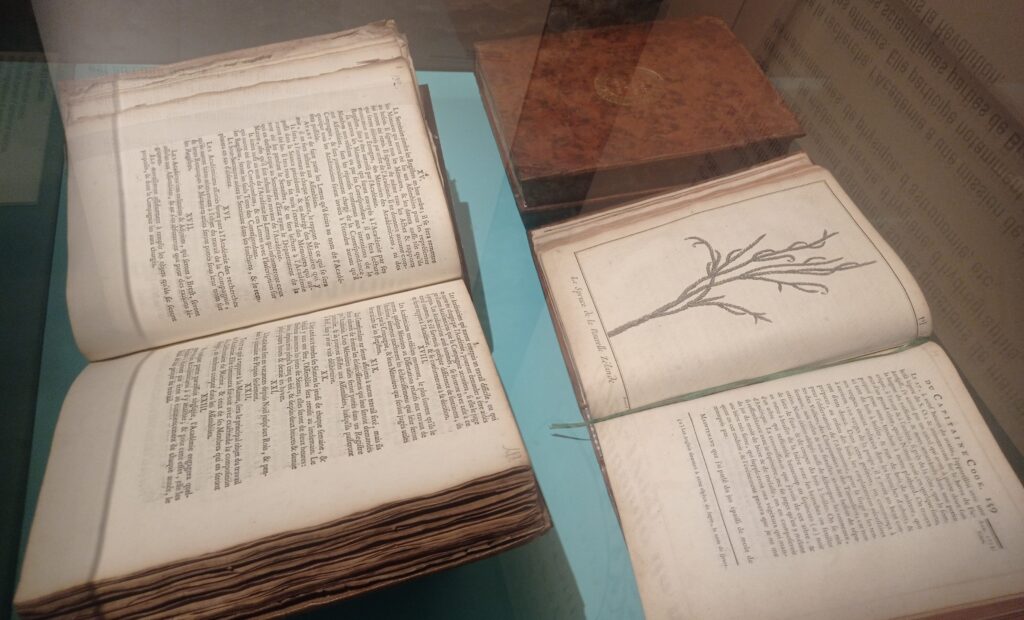
The accounts of Cook’s voyages were themselves among the reference works carried aboard La Boussole and L’Astrolabe, reflecting the importance attached to the experiences of the navigators who had come before them.
2. Aboard La Boussole and L’Astrolabe: A Heavily Laden Expedition
The preparations for the voyage extended far beyond scientific instruments. The two frigates had to carry a considerable quantity of equipment, provisions, and items intended, among other purposes, for trade and exchanges with the peoples they would encounter along the way.
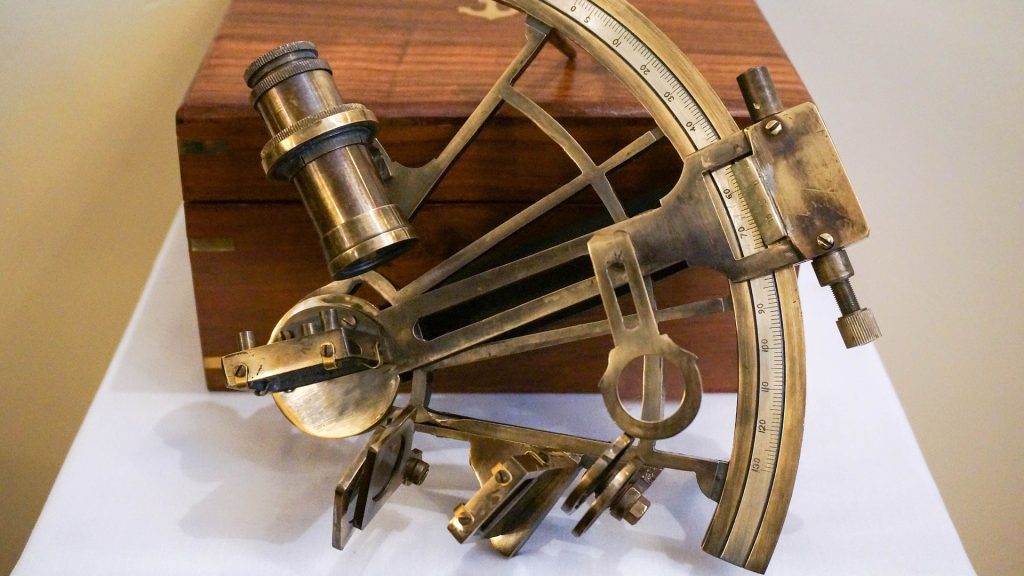
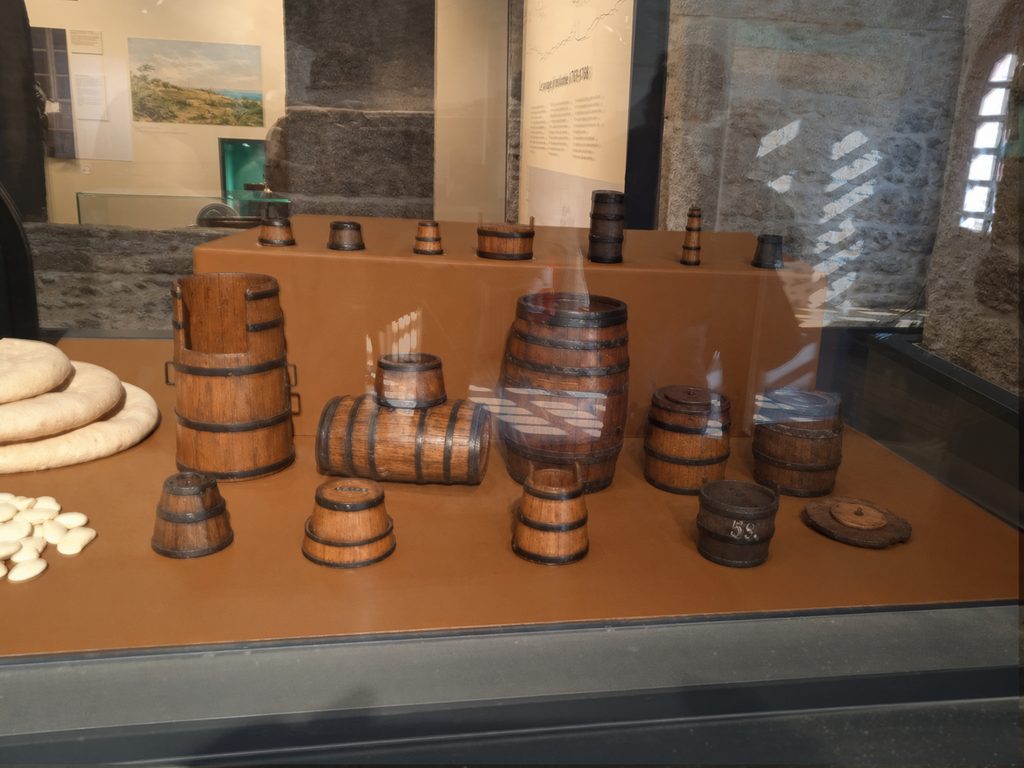
The ships were particularly crowded. La Pérouse mentions, among other things, the loading of a disassembled decked boat of about twenty tons, two Biscayan longboats, a large mast, a rudder shaft, and a capstan.
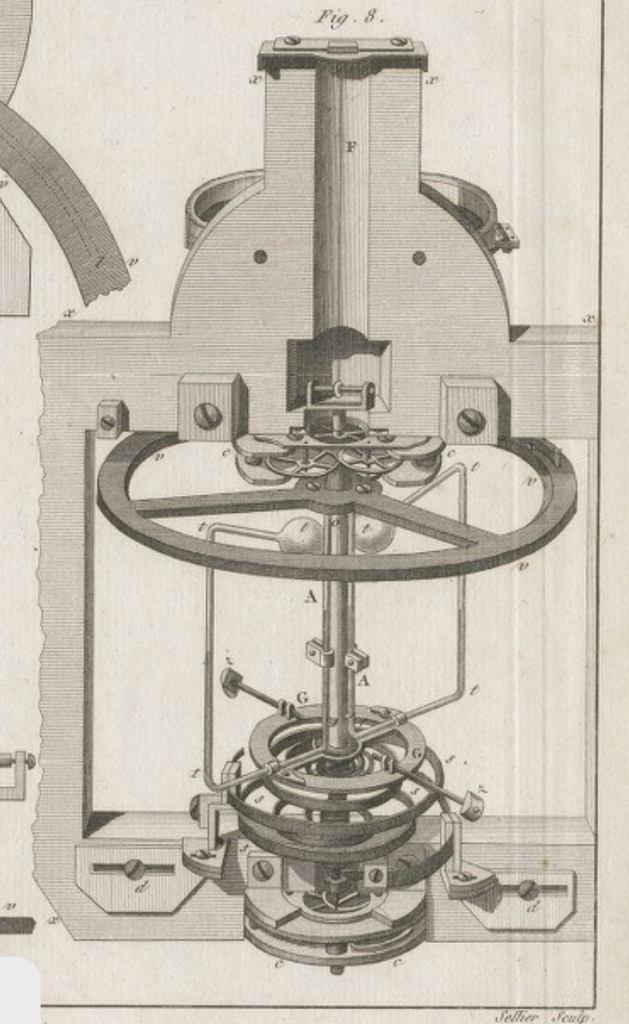
This overloading had practical consequences for navigation. Upon arriving in Brest Roads, La Pérouse observed that the ships were so crowded that it was even impossible to operate the capstan.
A Major Scientific Operation
The expedition also carried an exceptionally extensive collection of scientific instruments and brought together a wide range of scientific expertise. Among the equipment were Ferdinand Berthoud’s marine chronometers, essential for observations used to determine longitude. The astronomers Joseph Lepaute Dagelet and Louis Monge were assigned to La Boussole and L’Astrolabe, respectively. Robert de Lamanon was responsible for natural history, while M. de La Martinière was in charge of botany. Paul Mérault Monneron embarked as chief engineer, tasked in particular with surveying and examining the locations encountered throughout the voyage. The equipment carried by Jean André Mongez aboard La Boussole alone gives an idea of the scale of the expedition’s scientific provisions. It included a portable chemistry laboratory (acids, small dishes, crucibles, and mortars); a mineralogist’s blowpipe for the thermal analysis of rocks in the field; precision balances and sets of finely crafted weights; a compound microscope for observing crystalline structures; and field equipment such as hammers, chisels, cutting tools, and leather collection bags. Mongez also brought his own translation of the System of Mineralogy by the Swedish chemist Torbern Bergman, the Dictionary of Physics (some volumes of which he had been revising before his departure), and contemporary works on chemistry and metallurgy, including those by Buffon and Lavoisier. This was in addition to the personal effects he needed for the voyage and the objects he collected during his stopovers, including Chinese porcelain.The expedition also carried instruments for studying terrestrial magnetism, along with various items of equipment required for astronomical, meteorological, geographical, and natural history observations.
3. 1 August 1785: Departure from Brest
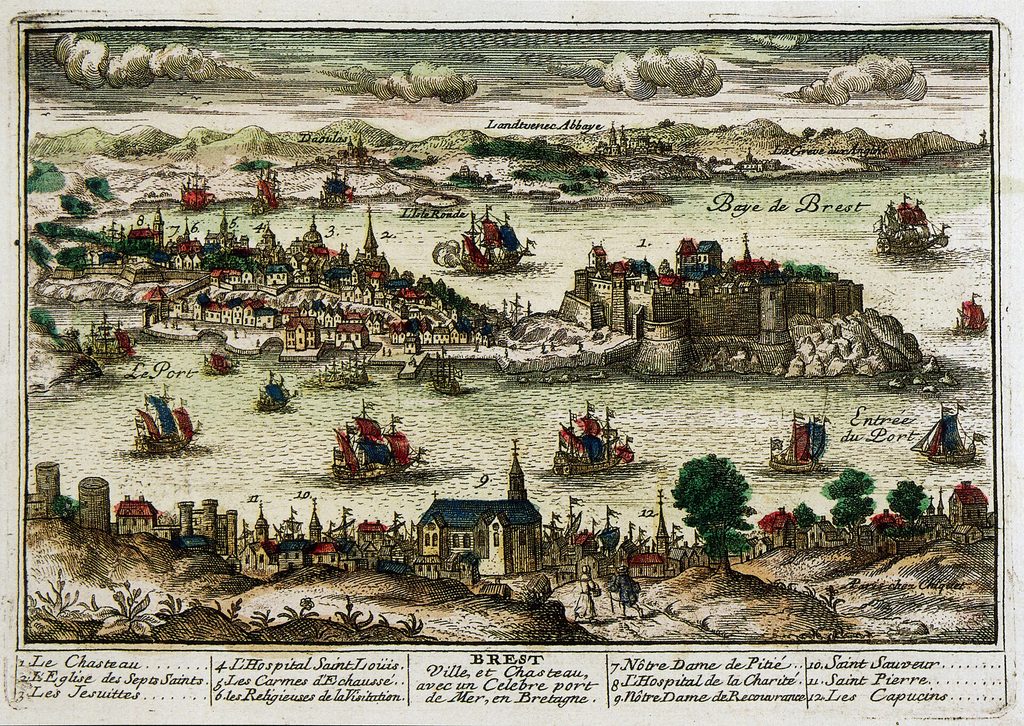
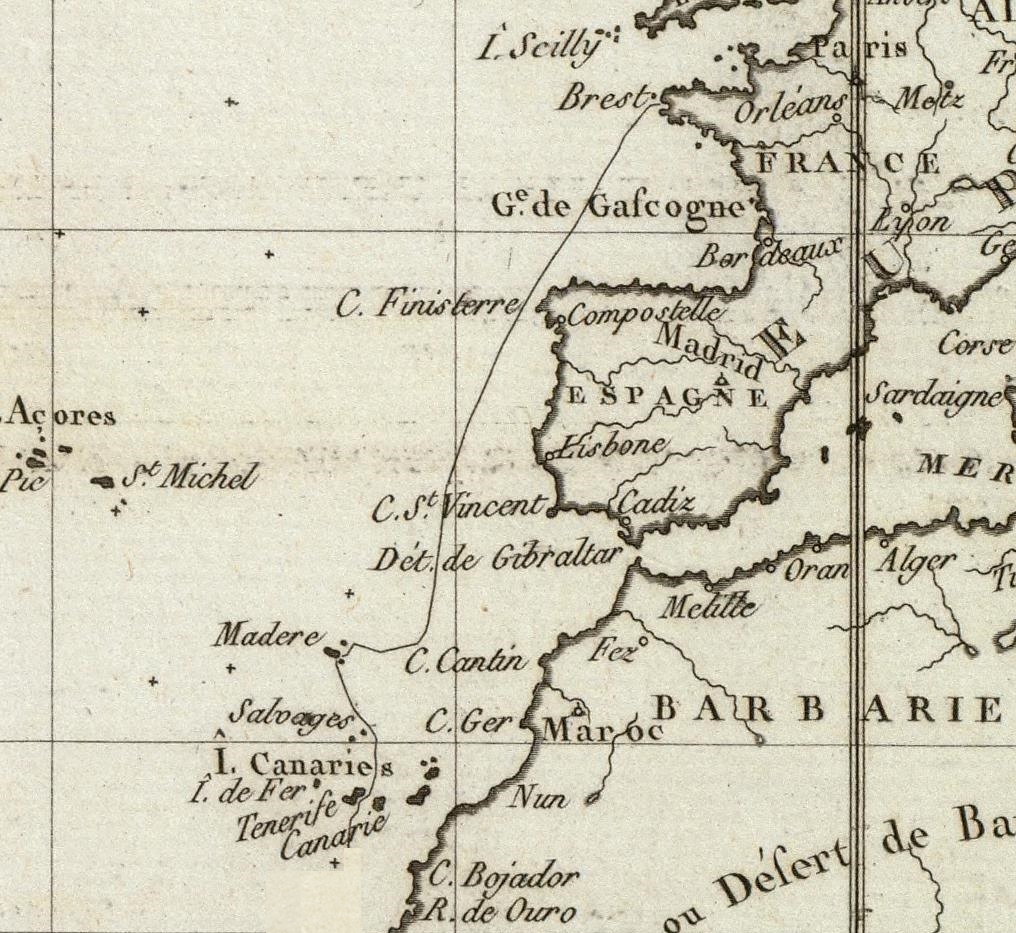
On 1 August 1785, La Boussole and L’Astrolabe departed from Brest Roads.
La Pérouse writes:
« I set sail from Brest Roads on 1 August. »
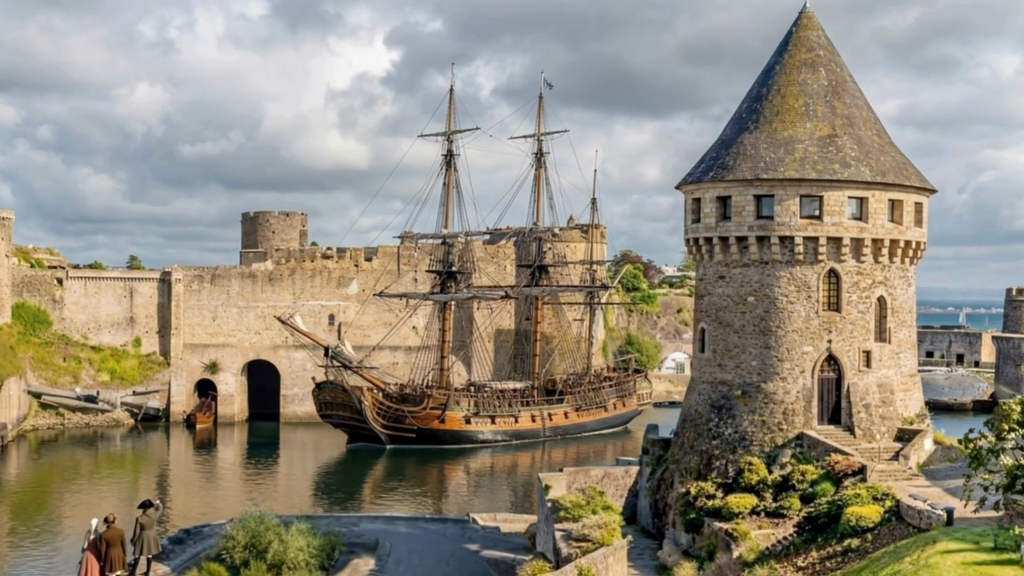
The crossing to Madeira was aided by favourable winds. La Pérouse nevertheless highlights a significant difficulty from the very first days: the ships, being too heavily laden forward, were difficult to steer. The crew’s health was also closely monitored. La Pérouse reports that, during the first nineteen days, only one man suffered from a fever. However, six sailors and one soldier, who had evaded examination by the surgeons, were found to be suffering from a venereal disease.
4. 13–16 August 1785: The Stopover in Madeira
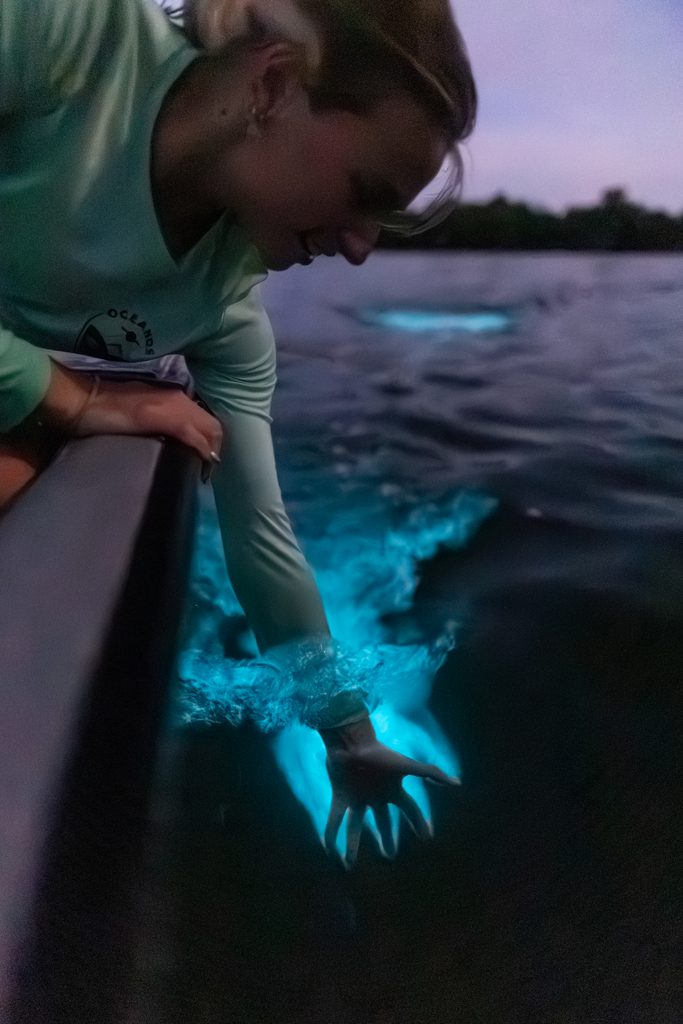
After twelve days at sea, the two frigates sight Madeira. They anchor in Funchal Roads on 13 August.
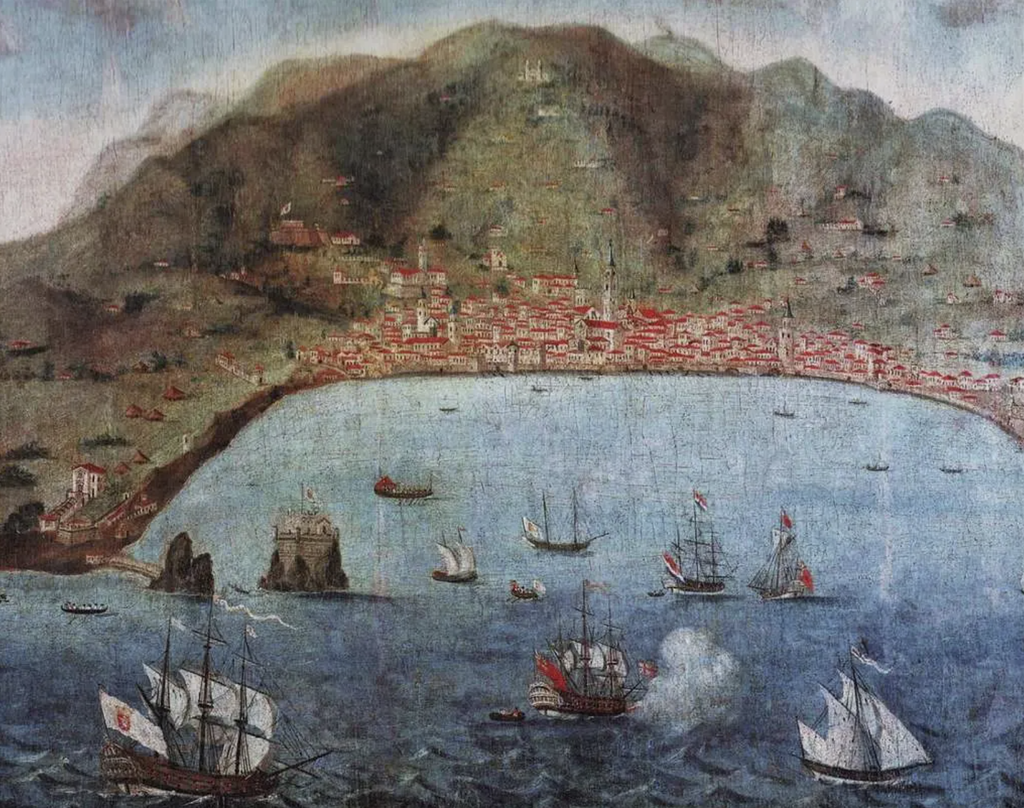
The welcome extended to La Pérouse and his crew was particularly warm. The English merchant, Mr Johnston, notably sent them fresh fruit.
La Pérouse emphasises the generosity of this welcome:
Madeira, a Botanical Laboratory
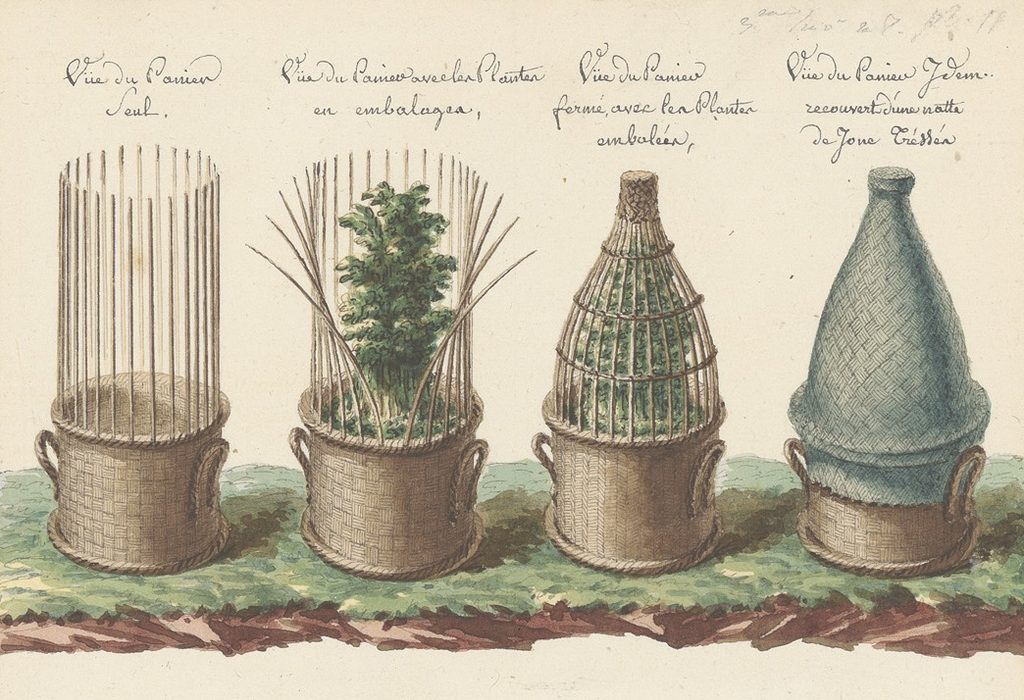
La Pérouse was struck by the diversity of Madeira’s vegetation: within just a few kilometres, the climate and landscapes changed as though one were travelling across a large part of France. For Collignon and La Martinière, the stopover became a true field of exploration.The gardener tended to the plants carried aboard and collected new seeds, while the naturalist gathered botanical specimens in the mountains and commissioned drawings of the species he encountered. Among them, he identified a shrub that he soon recognised as endemic to the island, Globularia salicina. Yet La Martinière did not limit himself to classifying plants. He also investigated their practical uses, even considering the possibility of making ropes from banana tree bark.
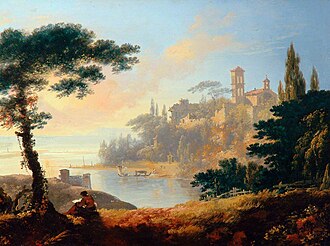
The stopover had to remain brief, however. La Pérouse wished in particular to purchase wine, but the price quoted in Madeira was too high. He noted that a cask holding four barrels would have cost thirteen or fourteen hundred livres, whereas the same quantity could be obtained in Tenerife for around six hundred livres. He therefore decided to prepare for departure.On 16 August, La Boussole and L’Astrolabe left Madeira. Before their departure, Mr Johnston once again provided La Pérouse with a substantial quantity of fruit, as well as Malvasia wine, dry wine, rum, and candied lemons.
5. 18–30 August 1785: From Madeira to Tenerife
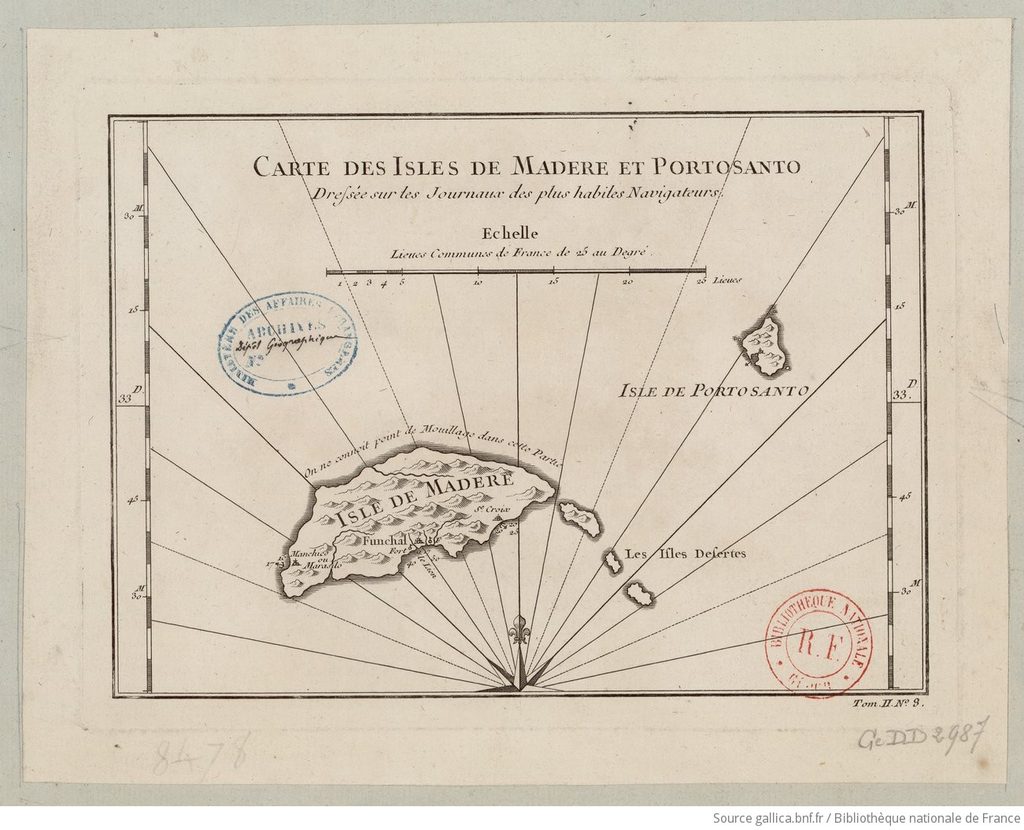
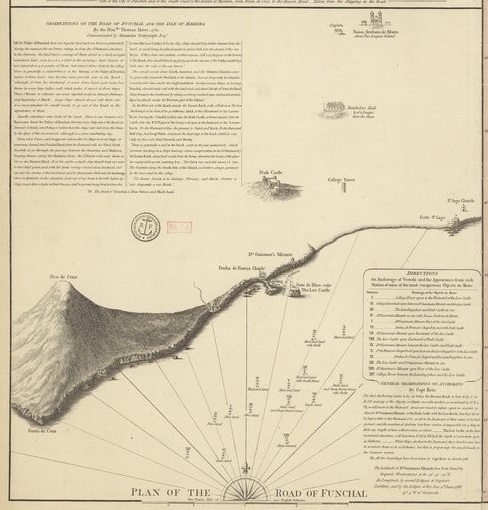
On 18 August, La Pérouse sighted the Salvage Islands, which he described as dry and treeless, with formations he associated with volcanic materials. The following day, 19 August, the two frigates anchored off Tenerife, in the roadstead of Santa Cruz. The stopover would allow the expedition’s scientists to continue their observations.
Marine Chronometers
An observatory was set up in Santa Cruz to monitor the performance of Ferdinand Berthoud’s marine chronometers. These observations were intended to check their operation and improve the accuracy of astronomical navigation.
Natural History Observations
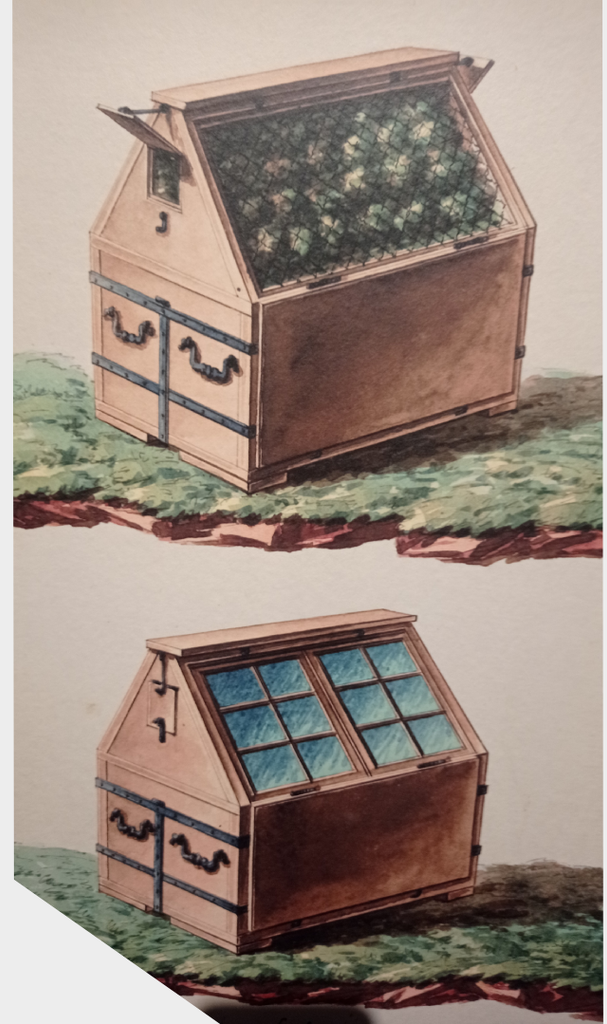
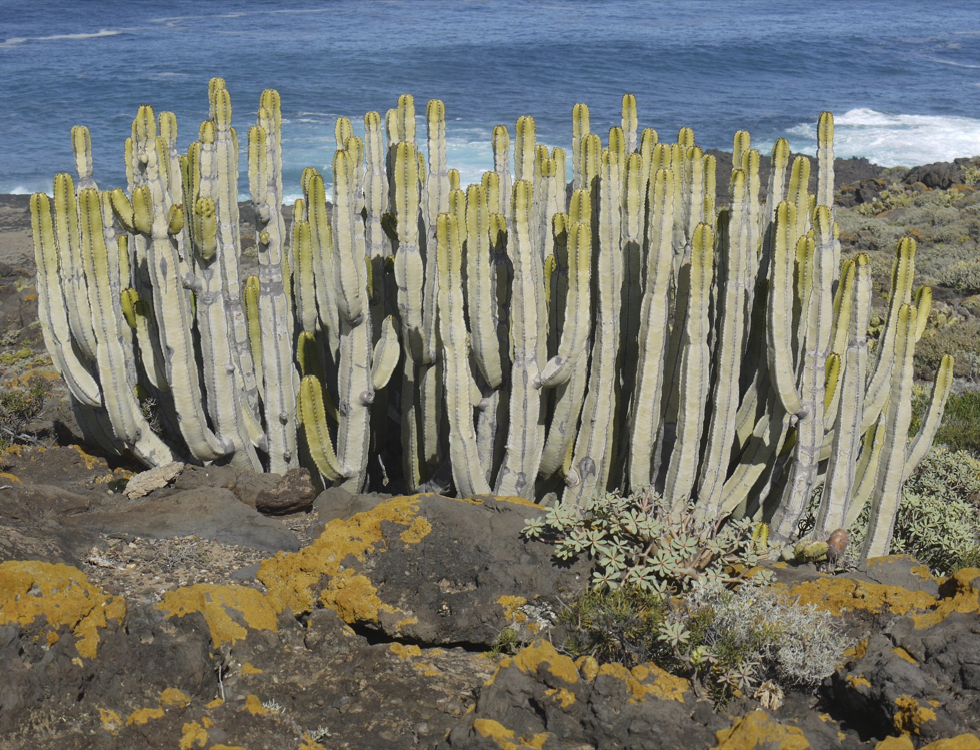
The naturalists also took advantage of the stopover to explore the island. As he climbed Mount Teide, La Martinière did more than observe Tenerife’s flora: he was already considering what might prove useful in France. He took a particular interest in Euphorbia canariensis, a spurge that can grow several metres tall and whose remarkable growth appeared promising as a source of fuel. He even suggested to the botanist Antoine Gouan that he attempt to acclimatise the plant in the scrublands of Languedoc, near Montpellier. Behind this botanical observation lay a very practical concern: to bring back from the expedition knowledge and plants that might find useful applications in France. When his mount stumbled in Tenerife, the gardener Collignon saw his specimen box spring open, spilling almost all its contents among the rocks. Only a tiny fraction of the seeds could be recovered and subsequently sent to the Intendant of the Navy in Brest in January 1786.
Measuring the Height of Tenerife Peak
Several methods were used in an attempt to determine the height of the peak.
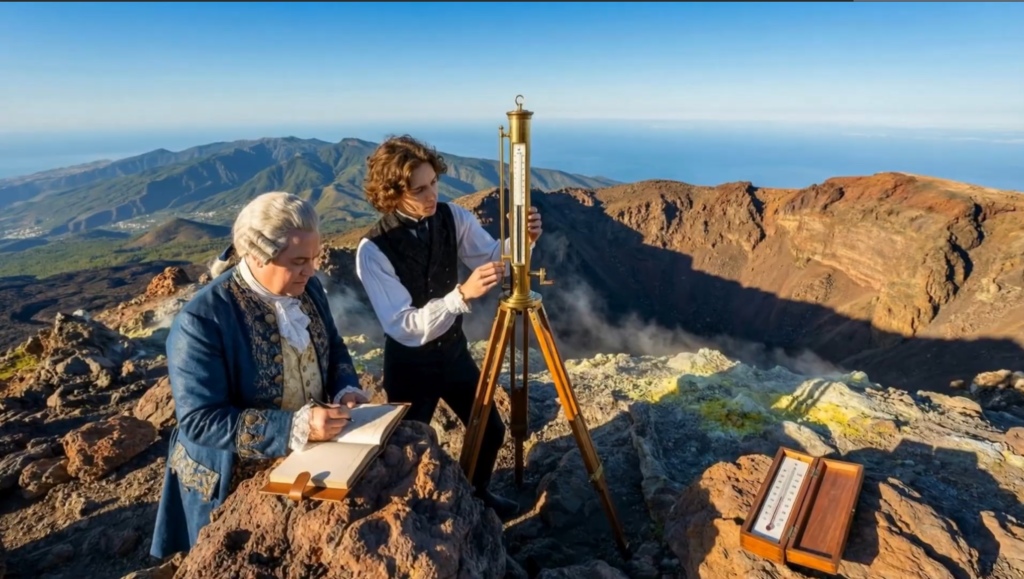
Still from The Odyssey of Light — Olivier Gavignaud
M. de Lamanon takes a barometric measurement. La Pérouse reports that his barometer falls to 18 inches, 4 lines and 3/10 at the summit, compared with 28 inches and 3 lines in Santa Cruz at the same time. The recorded temperature also drops from 24.5 degrees in Santa Cruz to 5 degrees at the summit.
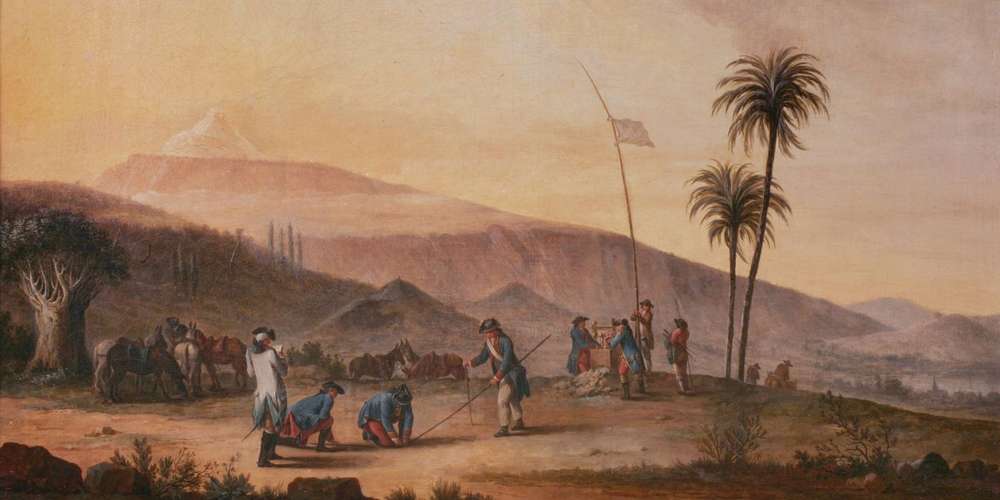
La Pérouse himself, however, emphasises the limitations of this method and prefers to provide the observational data rather than a result he considers insufficiently rigorous. For his part, M. de Monneron undertakes a levelling survey starting from the seashore. He manages to overcome many of the technical difficulties and considers his work almost complete when he encounters an obstacle unrelated to the method itself: his guides’ mules have not had any water to drink for seventy-two hours.
Their mules had not drunk for seventy-two hours, and neither prayers nor money could persuade the muleteers to stay any longer.
Monneron was therefore forced to interrupt his work. La Pérouse explains that he had hired seven mules and eight men to transport his equipment and assist him with the survey.
Wine Provisioning
The expedition also takes advantage of its stay in Tenerife to take on wine from Orotava. Sixty pipes of wine are loaded aboard each vessel. This operation requires part of the hold to be rearranged to gain access to the empty casks intended to receive the wine. La Pérouse notes that this work keeps the crews occupied for ten days, the delay being attributed in particular to the suppliers’ lack of speed. On the morning of 30 August, La Boussole and L’Astrolabe finally put to sea once more.
6. An Expedition in Which Every Stop Becomes an Opportunity for Observation
From the very first weeks of the voyage, the expedition’s operations become clear: the stopovers serve purposes beyond provisioning alone. In Madeira, the crews seek supplies of fruit and wine, while the naturalists have opportunities to observe the island’s environment. In Tenerife, scientific activities take on particular importance, including astronomical observations, checks of marine chronometers, barometric measurements, an attempt to survey the elevation of the Peak, and botanical studies. These first stages thus demonstrate the diversity of the work carried out aboard La Boussole and L’Astrolabe. Navigation, cartography, astronomy, botany, physics, and the observation of the natural environment are closely intertwined with the expedition’s progress. The voyage around the world has only just begun.
7. An Interesting Anecdote
Here is the passage from the account describing the stopover at the Peak of Tenerife, La Pérouse’s reaction to Lamanon’s initiatives, and how the crew members’ characters were beginning to emerge at this stage of the voyage:
While history has preserved the expedition’s major achievements, it has overlooked an episode that was both amusing and little known: the intrusion of a stowaway monkey that destroyed part of the botanical collection. In his letter to Thouin, Collignon recounts this incident, which is absent from the official account:
If this project inspires you and you would like to help keep the memory of the renowned navigator alive, why not join the Lapérouse Albi France Association (ALAF)? By becoming a member of the ALAF, you will join a team of enthusiasts dedicated to promoting maritime history, exploration, and the heritage associated with Lapérouse. Your support helps preserve the memory of this great navigator and pass on the story of this remarkable man to future generations.
Join the Association : https://www.laperouse-france.org/en/join-renew/
You can also connect and exchange ideas with the community on the association’s newly launched Discord server, a new space for discussion and sharing among enthusiasts of history and exploration.
Join the Discord Server: https://www.laperouse-france.org/fr/2026/03/le-discord-de-lassociation-laperouse-albi-france-est-desormais-disponible-en-ligne/